Since the dimmer switch was invented in 1959, lighting control has risen to become one of the most important features in home automation.

Notifications: Your lights can be programmed to communicate things to you based on events (and other devices) they’re linked up to. Let’s say you spend a lot of time listening to loud music or movies and know you can’t hear the doorbell (or driveway gate, depending on the size of your house). You can have a light in your media room programmed to flash once or twice when someone rings the doorbell. If your programmer wants to make it even more tricky, he or she can make sure the flash only happens when the media system is playing so the lights don’t flash unnecessarily.
Extra Sensory Perception: Lots of fun things can be done using lights in combination with motion or contact sensors. For instance, your system can be programmed to turn up a pathway of lighting based on motion sensors outside. Those can serve both as a security measure—turning on bright flood lights when an unexpected visitor approaches, or as a welcome program when a car pulls into the driveway at night. The sensor will relay a message to the control system that tells it to turn on your entryway lights and any other lights you like on as you walk in the house.
Is your home theater or media room in a basement? Have the stairway light linked to a contact sensor that automatically turns on when the door is opened. For added customization, you can have the stair light timed to go out after a reasonable time, say one minute, while the main theater lights stay on until you start a movie, then they can automatically ramp down to movie level.
Warnings: Aside from criminal activity, you can use your lighting system to provide warnings or notifications of other events. Maybe you have little kids who get up in the middle of the night. A motion sensor can turn on a hall light so your child can see, and turn on a small light in the master bedroom to alert you that your child is stirring.)
A company new to the advanced lighting scene LIFX, has a Wi-Fi based color-changing LED bulb system that is supposed to be able to sync with social media sites or text messages from your cell phone. Imagine if your desk lamp turned a shade of green whenever a text message came in or red when someone tagged you in an Instagram picture.
Ambience and Décor: While your lighting devices (lamps, sconces, chandeliers) should look nice, the quality and color of the light they emit can be just as much a part of your home’s interior design as the artwork and furniture—and the best part is that you can change the look on the fly.
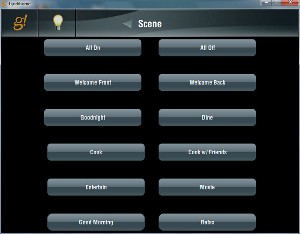
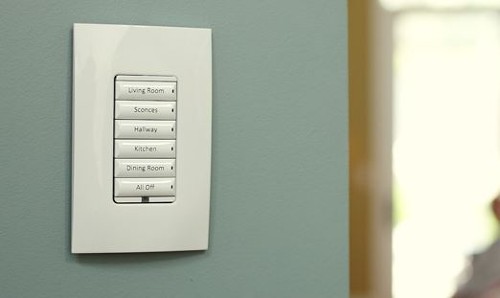
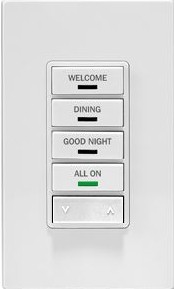
Something as simple as the color your walls can change dramatically based on the light quality in the room. If you want to change the feel of the room, change the lights. You can do it yourself on a whim with various dimmer or control apps, or have your programmer design scenes that will run at the press of one button. Such versatility is just as important and impressive for outdoor lights as for indoor. Some of the most common light scenes are party, morning, dinner and of course, goodnight. Many control systems also allow you to use a combination of lighting and music as part of your wake up routine. Who would want to start the day with the bedroom lights on full blast when you can have them slowly wake up along with you?