SEANZ were surprised and disappointed to see the Parliamentary Commissioner for the Environment (PCfE) supporting a report just out which claims that the uptake of Solar PV will cause an increase in carbon emissions from the electricity sector. The report also claims that an increase in the price of carbon will likewise cause an increase in emissions. Really?!? Difficult to swallow.

Unsurprisingly, the report has been commissioned and sponsored by a number of incumbent energy generator/retailers, a distribution company, and a government agency, many of whom have stepped up the anti-solar rhetoric of late as the threat of reduced revenue looms. Competition in the market is increasing, and solar households consuming less electricity are just one of the threats.
Electric Vehicles consume electricity and increase demand – good for electricity generators.
Solar PV produces 100% clean energy – bad for electricity generators if they don’t own it.
Do the authors and supporters of this report think consumers and prosumers are that uneducated and naive? Obviously they do. That's always been part of their modus operandi.
Emissions from transport are a big issue for New Zealand which we need to tackle. EV’s can contribute significantly to this – no question. But to state that solar will cause an increase in emissions is reflective of the myopic view that fails to understand the inevitable trajectory of the electricity market – one that will lower emissions in the electricity sector AND the transport sector.
The flawed assumption upon which this report is based is one which many in the industry make, that “large-scale renewables represent the least-cost option for future electricity supply in New Zealand”. The fast-growing number of people installing solar around the country will testify to the fact that investing in solar on their rooftop is the least-cost option for future electricity supply. Solar is already cheaper than the cost of delivered electricity (the cost of producing, transporting, distributing and delivering electricity to your home). Solar PV is more attainable for the typical householders, who can significantly reduce their power bills with an investment that is less than 1/4 the cost of a small EV in NZ, and enjoy the benefit for at least 25 years. Once we accept that this fact will continue to drive the uptake of solar, we see that other assumptions made in this report to discredit Solar PV are equally flawed.
The assertion that because 80% of our electricity is already from renewable sources, that more clean technology will encourage fossil fuel generation and result in greater CO2 emissions beggars belief. Increased household efficiency combined with solar will lower demand. Batteries shift excess power generated by solar during the day to meet night time demand. Our hydro enables us to shift power between seasons. As one power retailer said in 2012, “In simple terms hydro can be used when the wind doesn’t blow. The same applies when the sun doesn’t shine”. Solar, batteries and hydro complement each other and can reduce our carbon footprint.
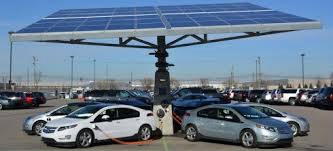
The overarching driver of change over the coming decades will not be dictated by the PCfE, EECA, or major electricity companies; it will be driven by the prosumer and consumer. They will make their decisions based on what is best for them. They may opt now for an EV, or they may first choose to use public transport, ride-share, shop online, or work from home. All of which will lower their transport emissions. They may choose Solar PV and batteries, or might first install a high efficiency heat-pump, LED lighting, or upgrade their insulation. Ideally, they would charge their new EV from their rooftop solar PV system – most of us eventually will. But there are no horses for courses.
The theoretical arguments put forward by this report does little to promote a meaningful, logical, and realistic plan for a low-carbon future. To intentionally set out to sabotage the uptake of 100% clean and renewable energy in this day and age is inexcusable and does little but expose vested interests.
PV and EVs are good for the environment and we need them both.